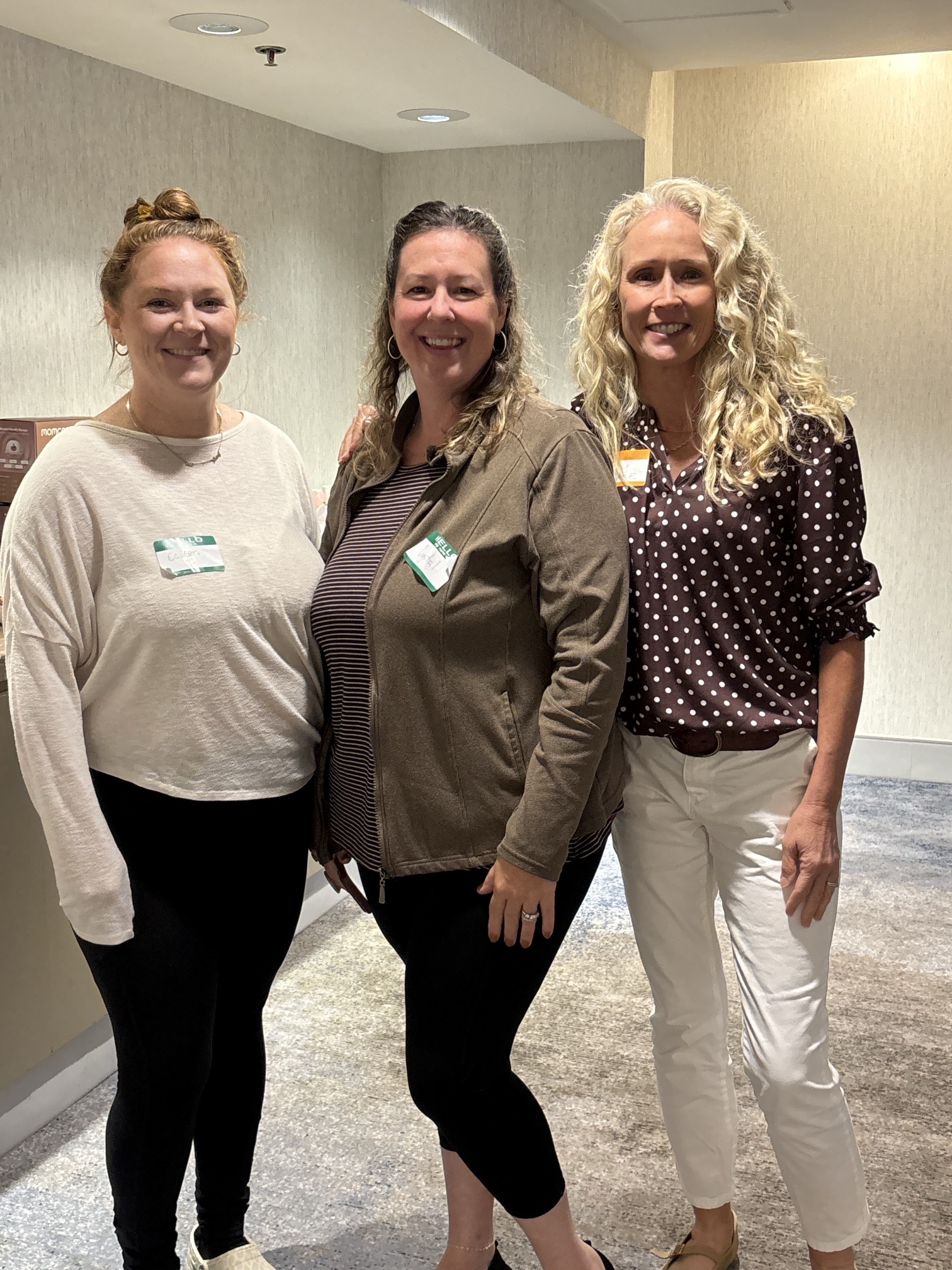

I’m 25 weeks pregnant, and I just did my own gestational diabetes screening. Yep, the same glucose test I’ve walked so many of my clients through. And honestly? Even as a dietitian, I get why this one makes people nervous. 😅
If you have your test coming up (or you just got a call about your results), here’s what I want you to know first: the meal you eat before the test matters a lot less than you think. What really matters is how you support blood sugar in pregnancy on all the other days, and that part is way more in your control than it feels right now.
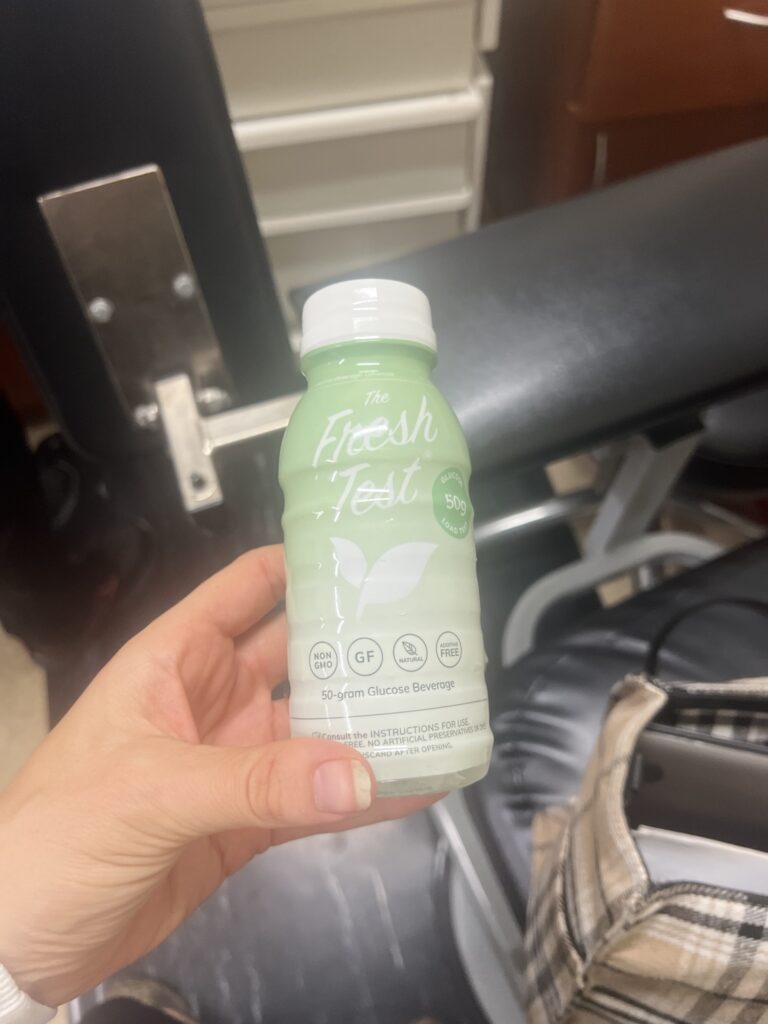
A quick note on the drink itself: I skipped the classic orange Glucola and went with Fresh Test, mostly for the taste and fewer additives. Same amount of sugar, so the test works the same way. If you’re curious, ask your provider if it’s an option for you.
So here’s what I actually do, and what I share with my prenatal clients every single week.
As your pregnancy moves along, the placenta makes hormones that make your body more insulin resistant. That’s on purpose. It keeps more glucose available for your growing baby. But it also means your blood sugar can run higher after meals, especially in the second and third trimesters.
That’s why most providers screen for gestational diabetes (GDM) between 24 and 28 weeks (ACOG has a great overview here). It’s also why how you build your meals can make a real difference in how steady and energized you feel day to day.
And please hear this: a GDM diagnosis is not a sign that you did something wrong. Genetics, hormones and the placenta play a huge role. Everything below is about support, not blame.
This is the piece I come back to with every single client. When protein, fiber-rich carbs and fat show up together, digestion slows down and glucose enters your bloodstream more gradually. That means steadier energy instead of the spike and crash (and fewer of those “I need sugar right now” moments).
Protein helps soften the blood sugar rise from carbs and keeps you full longer. Eggs, Greek yogurt, cottage cheese, chicken, fish, beef, tofu, tempeh, beans and lentils all count.
Carbs are not the enemy in pregnancy. You and baby need them! We just want carbs that come with fiber, which slows things down: berries and other whole fruit, oats, quinoa, sweet potatoes, beans, whole grain bread and lots of veggies.

Fat adds satisfaction and slows digestion even more. Avocado, olive oil, nuts and nut butters, chia, flax, hemp seeds, full-fat dairy and salmon are all great options.
What this looks like on a real plate:

If you’re still in the “only beige foods sound good” phase, start there. Toast, pasta or crackers are totally fine. Just try to add one protein (cheese, an egg, a little rotisserie chicken) and call it a win.
These are the things I practice myself and talk about most with my clients. None of them are about being perfect. They’re about making the day feel a little steadier.
Eat more of your food earlier in the day. Your body tends to handle glucose better in the morning, and that’s when you need the fuel most anyway. So many moms run on coffee until 2pm, then hit a wall (and the pantry). Eating more earlier is one of the easiest ways to skip that afternoon crash.

Every morning I add a scoop of Needed collagen to my coffee. It’s about 15 grams of protein before I’ve even made breakfast, and it dissolves right in. One note: collagen isn’t a complete protein on its own, so think of it as a boost and still pair breakfast with eggs, yogurt or cottage cheese.

What I personally use: Needed’s Prenatal Multi Essentials (the prenatal I’m taking this pregnancy) and their Collagen Protein, which I use every single day and recommend to so many of my clients. You can get 20% off through my Needed practitioner dispensary. (I also wrote more about why your prenatal matters and my favorite protein powders for pregnancy.)
This is the one I push hardest, especially with moms. A breakfast with real protein keeps blood sugar steadier through the morning and is one of the best ways to head off those intense 3pm cravings. I aim for roughly 25 to 30 grams at breakfast (and yes, the collagen in your coffee counts).

Long gaps can mean bigger swings and more intense hunger later. Most of my pregnant clients feel best eating every 3 to 4 hours, with snacks that include some protein: apple + peanut butter, cheese + whole grain crackers, hard-boiled eggs or a smoothie.

Even 10 to 15 minutes of walking after you eat helps your muscles use glucose. It doesn’t need to be a workout. A loop around the block (or chasing a toddler!) counts.
Poor sleep and high stress can both nudge blood sugar up. I know this isn’t always in your control (hello third trimester, hello newborn nights), but rest, support and asking for help are part of your nutrition plan too.
There are a couple of ways providers screen for gestational diabetes: a 1-hour glucose challenge test and a longer fasting oral glucose tolerance test (OGTT). Each has its own prep, so always follow your provider’s instructions, especially about fasting. Here’s what I tell clients:
The test is meant to show how your body handles glucose on a typical day. It’s not something to “beat.” And if you do get a GDM diagnosis, you can absolutely still have a healthy, well-nourished pregnancy with the right support.
Usually, yes. Many providers don’t require fasting for the 1-hour screen, though some ask you to skip sugary foods beforehand. The 3-hour OGTT almost always requires fasting. Check with your provider.
Most often your provider will order the longer 3-hour test to confirm. A high 1-hour result doesn’t automatically mean you have gestational diabetes.
It has the same amount of glucose, just with different ingredients (no artificial dyes). Not every office offers it, so ask ahead of time.
The same foundations carry right into the fourth trimester, when sleep is short and it’s so easy to put yourself last. Balanced meals and a protein-rich breakfast help with energy, mood and recovery, however you’re feeding your baby.
A few postpartum tips:

This is the part I wish more moms heard. I’ve worked with so many women who had GDM during pregnancy, and once baby arrives, the focus (understandably!) shifts to baby. But gestational diabetes is also a heads-up about your own long-term health.
Roughly half of women who had gestational diabetes go on to develop type 2 diabetes later in life (March of Dimes, citing the CDC). That’s not meant to scare you. It’s meant to show you how much the next few years matter, because the research on prevention is really encouraging:
This is exactly why I love seeing moms postpartum. A registered dietitian can help you rebuild steady eating habits that fit your new life (think one-handed meals, broken sleep and a baby on your hip), support your feeding goals and lower your long-term risk, without dieting or restriction.
Whether you’re prepping for your glucose test, just got a GDM diagnosis, or had gestational diabetes and want to protect your health after baby, our registered dietitians will build a plan that fits your real life, preferences and culture. No restriction, no guilt, just evidence-based support from someone in your corner.
Visits are in-home across San Diego, North County + Encinitas, or virtual, and many are covered by insurance. You can also call/text us at 760-274-0149.
And come say hi on Instagram @wholewomennutrition to see exactly what I ate before my test. Hit me with your questions there, I love hearing from you.
You are the only mother your children get, take care of her 💕🌸
This post is for educational purposes and isn’t a substitute for individualized medical advice. Always follow your provider’s guidance for testing and treatment.